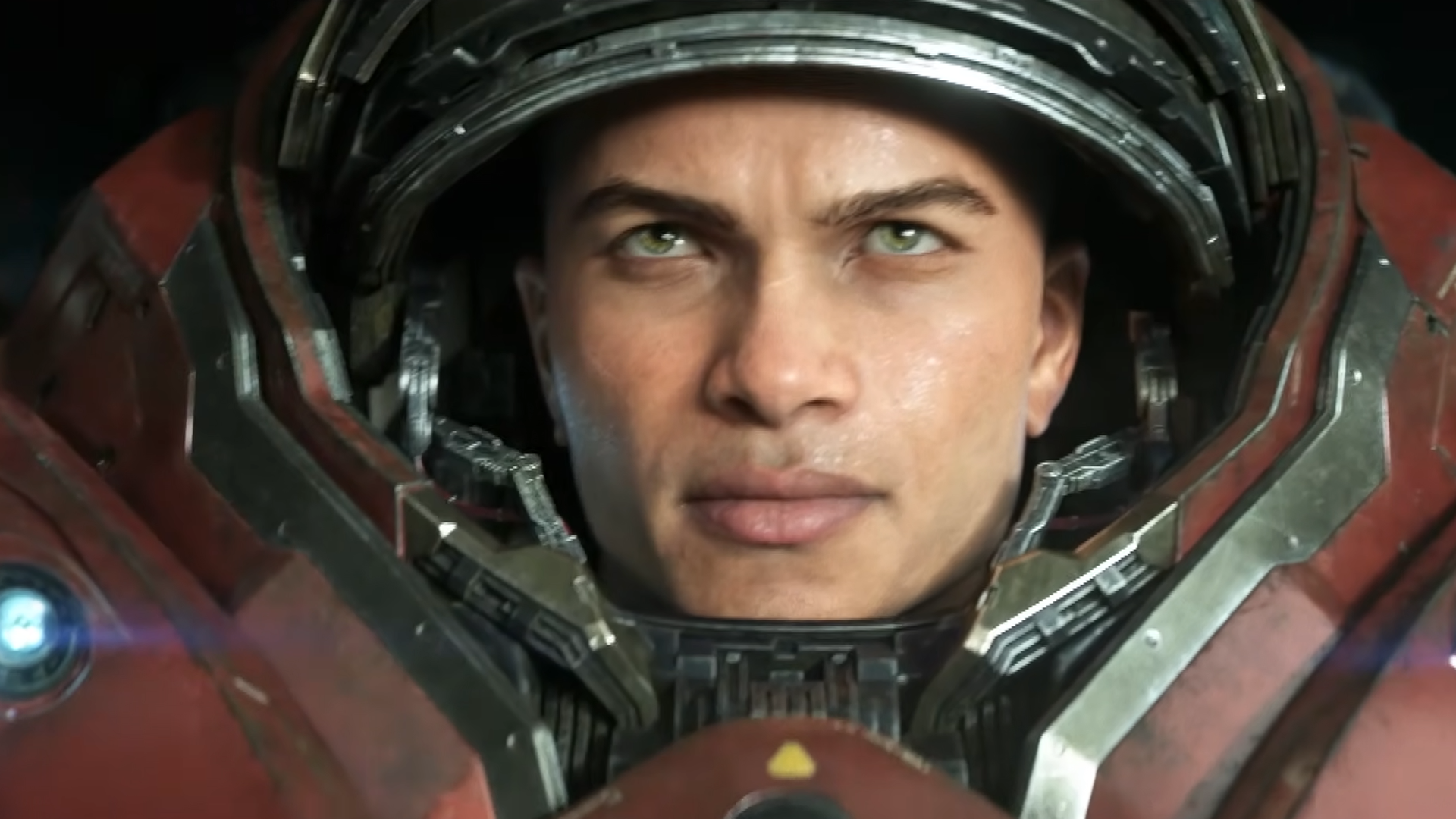
StarCraft is officially alive again. At BlizzCon on 12 September, Blizzard revealed a new game simply called StarCraft. It is not StarCraft III, and it is not another traditional real-time strategy game. Blizzard says it is an open-world shooter planned for 2030.
The reveal matters because StarCraft has spent years in a strange state: still culturally enormous, still played competitively, but without a new full-scale game carrying the universe forward. Blizzard has now answered the “when will StarCraft return?” question — while immediately replacing it with a much more divisive one: what does StarCraft become when you take the camera out of the sky?
Officially announced
Story-driven open-world shooter
2030
No — reveal was cinematic
The confirmed facts are surprisingly simple
Blizzard’s reveal establishes only a handful of hard facts so far. The project is called StarCraft, it is an open-world shooter, and Blizzard is aiming for 2030. The announcement cinematic follows a Terran marine through training and battle against the Zerg, but Blizzard did not show gameplay.
Platforms have not been officially announced. That gap is important. By 2030, today’s console landscape may look very different, so any platform list circulating now should be treated as speculation unless Blizzard says otherwise.

This is the biggest genre gamble Blizzard could make
StarCraft helped define competitive real-time strategy. Its unit counters, economy management, build orders and near-inhuman mechanical ceiling became part of the language of PC esports. Turning that universe into an open-world shooter is therefore not a small spin-off decision. It changes the core relationship between player and battlefield.
In an RTS, a marine is a unit. In this game, the marine is the experience.
That shift creates obvious opportunity. The StarCraft universe already has everything a large-scale action game wants: distinct factions, instantly readable military silhouettes, giant creatures, ruined colonies, political propaganda and a war that can feel enormous even when the player is only one soldier.
But it also creates risk. If the result becomes a familiar open-world checklist with a StarCraft skin, Blizzard will have revived the name while discarding the thing that made the name valuable.
Dan Hay changes the calculation
The project is being led by Blizzard vice president Dan Hay, who previously spent years working on Ubisoft’s Far Cry series. That background makes the open-world direction far less random than it first appears.
Hay’s presence does not tell us exactly how the new StarCraft will play, and Blizzard has not shown enough to judge combat, exploration, progression or structure. But it does suggest the company is building around experienced open-world leadership rather than merely stretching an RTS team into a different genre.
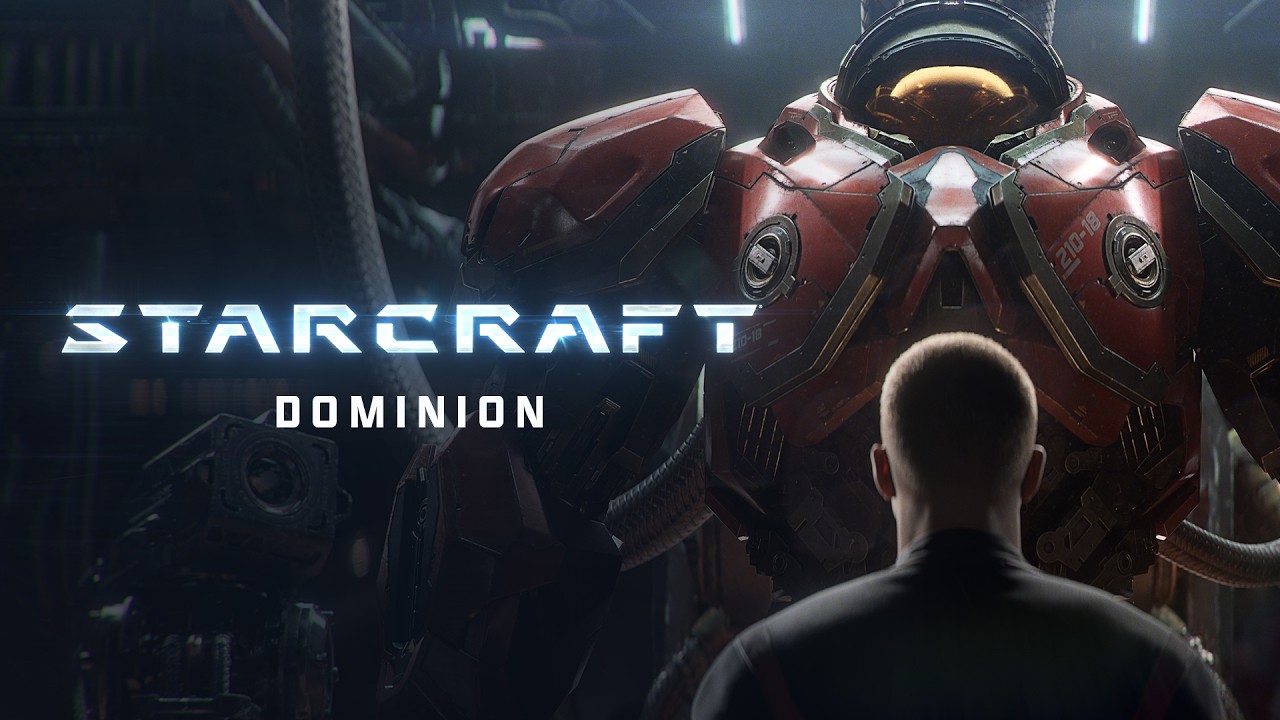
StarCraft: Ghost is the shadow hanging over this announcement
Long-time fans have seen Blizzard attempt this transformation before. StarCraft: Ghost was announced in 2002 as a third-person action game starring Nova. It changed developers, slipped repeatedly and ultimately never shipped; Blizzard later confirmed its cancellation.
That history is why a 2030 date immediately attracts scrutiny. Announcing a game roughly four years ahead of release creates an enormous runway for expectations — and StarCraft already has one famous action-game ghost haunting its history.
Blizzard president Johanna Faries told Bloomberg, in comments reported by PC Gamer, that announcing distant projects is meant to show confidence in Blizzard’s biggest bets. That is a statement of intent, not a guarantee. Four years remains a long time in game development.
The RTS question is not going away
The most predictable reaction to the reveal is also the most reasonable: “Where is StarCraft III?”
Blizzard has not announced a new StarCraft RTS. That does not prove one does not exist, but there is currently no confirmed StarCraft III project to point to. For strategy fans, the new shooter is therefore both exciting and frustrating — proof that Blizzard still values the universe, but not yet proof that it values the genre that built it.
The healthiest way to read this announcement is to separate those two things. The shooter does not need to justify its existence by pretending to be an RTS. It needs to be an excellent action game that understands StarCraft. And if Blizzard ever returns to full-scale strategy, that game should be allowed to do the opposite.
Why this reveal matters beyond StarCraft
Blizzard used BlizzCon 2026 to signal a company willing to make long-range bets again. A 2030 StarCraft announcement is unusually early by modern standards, but it also gives the studio years to rebuild a dormant franchise in public.
That strategy can work only if the eventual game earns the wait. The cinematic has nostalgia, scale and a strong visual premise. What it does not have is the one thing that will decide whether this is a genuine rebirth: gameplay.
For now, StarCraft fans have something they have not had in years — a new future to argue about.